
Healthcare makes up a growing share of the U.S. economy — and household budgets. We break down how much money the nation is spending and on what.

The Trump administration has tied billions in rural health funding for states partly to the policy commitments they make, including ending their certificate of need, or CON, laws governing the construction of new hospitals.

Most of Georgia’s counties are without a labor and delivery unit. To fill the gap, the state is looking to equip emergency rooms to handle obstetric emergencies. Advocates and doctors worry, however, that the ER is being used as a stopgap.

Oregon passed a law to require hospitals to proactively screen patients to see if they qualify for financial aid. Patients got immediate relief. Hospitals pushed to roll back the law following federal cuts to Medicaid and Affordable Care Act subsidies.
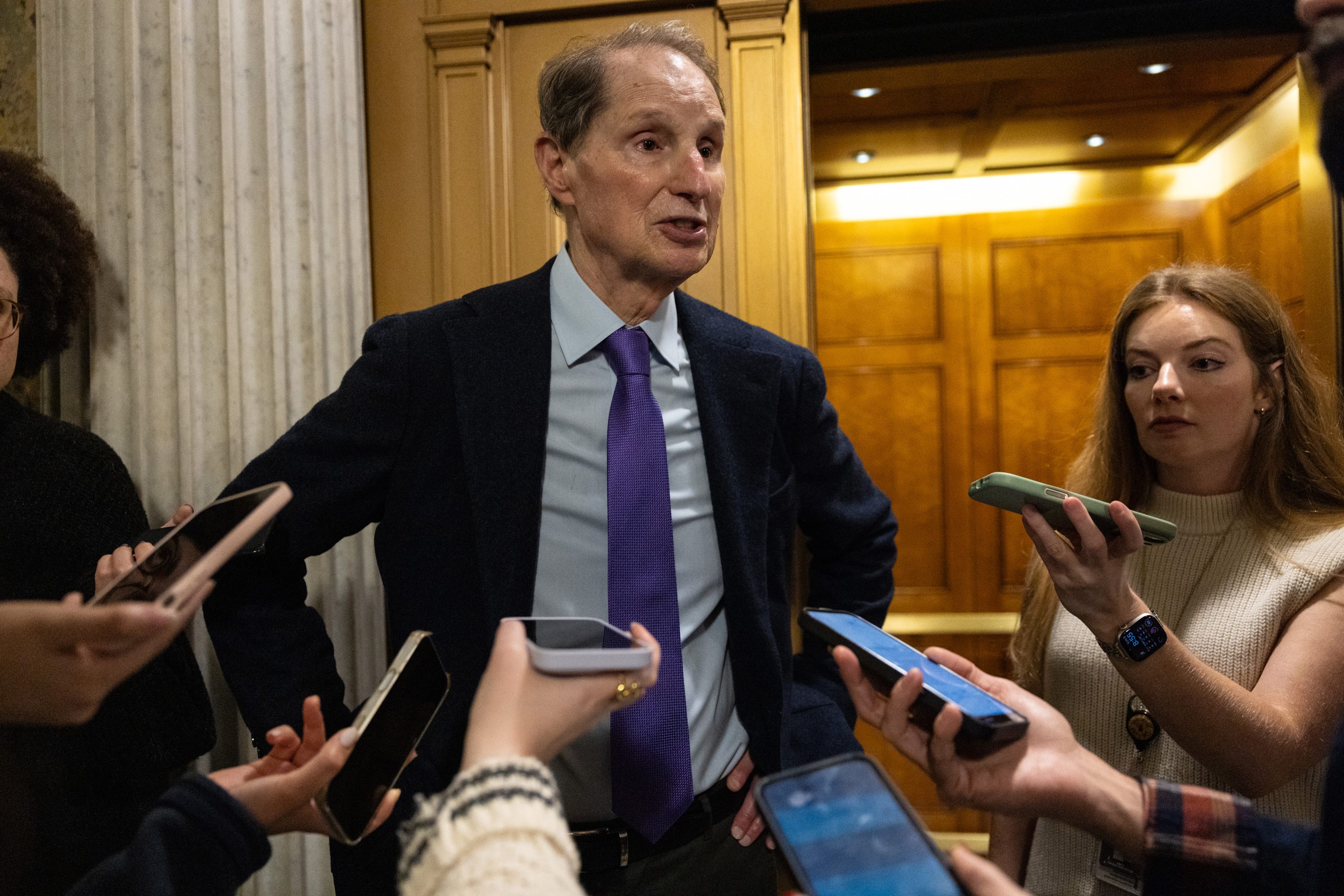
A year after launching an inquiry into companies, including Deloitte, that receive billions in taxpayer dollars to build complex computer systems determining Medicaid eligibility, senators are urging the federal government to impose stricter rules.

The rapid emergence of the Chinese biotech industry has panicked U.S. politicians, but investors and patients caution that a clampdown on pharmaceutical collaboration could hurt everyone.

Experimental peptides are all the rage on longevity and “optimization” podcasts, but a lot of the chatter is misleading.

KFF Health News gives readers a chance to comment on a recent batch of stories.

The Trump administration has provided few details about its process for canceling hundreds of thousands of Affordable Care Act marketplace enrollments — even as the next stage of the anti-fraud effort is underway.
As early voting begins in some states, the Trump administration is working to keep its crackdown on healthcare fraud, waste, and abuse in the headlines. Also, Health and Human Services Secretary Robert F. Kennedy Jr. has unveiled a new initiative to identify vaccine injuries. Joanne Kenen of the Johns Hopkins Bloomberg School of Public Health, Sandhya Raman of Bloomberg Law, and Paige Winfield Cunningham of The Washington Sun join KFF Health News’ Mary Agnes Carey to discuss these stories and more. Also, KFF Health News’ Julie Rovner interviews Dan Weissmann, host of the podcast “An Arm and a Leg.”
